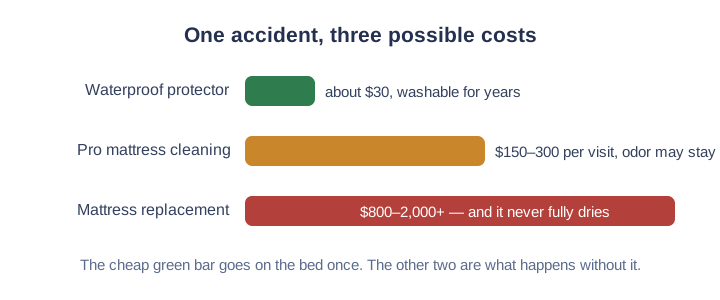
Verdict: yes — if the mattress is worth more than $29.99, it needs a protector. That is the entire math. Everything else on this page is detail; that sentence is the answer. A queen waterproof protector costs less than a restaurant dinner, and the mattress under it costs ten to fifty times more and cannot be washed. You insure the cheap object against ruining the expensive one.
The five situations that make it non-optional
| Your situation | Why the cover earns its keep | Our guide |
|---|---|---|
| Kids at any age | Diapers leak, training happens, stomach bugs arrive unannounced | Potty training |
| Pets on the bed | Accidents, drool and dander become a laundry item, not mattress damage | Pets guide |
| Sleeping hot | Sweat soaks foam silently; damp foam is where odor starts | Night sweats |
| New mattress | Warranty fine print excludes stains — the cover keeps the claim alive | Top picks |
| Guests or rentals | You cannot control what happens on a bed you are not sleeping in | Two-pack rotation |
1 · Kids of any age
Diapers leak, potty training happens (see our guide), school-age stomach bugs arrive without warning. A washable cover converts all of it into laundry.
2 · Pets on the bed
Accidents, drool, damp fur, dander working into foam. The pet guide covers what covers can and cannot do.
3 · Anyone who sleeps hot
Night sweat moisture silently soaks foam night after night, and damp foam is where mattress odor is born. The night sweats guide shows the fix.
4 · New mattress warranty keepers
Most mattress warranties carry a fine-print exclusion: stains and liquid damage are not covered. One unprotected spill can hand the manufacturer a reason to deny a legitimate claim years later. Day-one protection is how owners keep that paper real.
5 · Guest rooms and rental beds
You cannot control what happens on a bed you are not sleeping in. A protector plus a two-cover rotation is the standard hospitality answer for a reason.
What a protector does not do
Honesty section, because the marketing noise is real: a protector does not make a bad mattress comfortable (that is a topper), does not stop bed bugs (that needs a zippered full encasement), does not cool you down by itself, and does not replace washing your sheets. It does one job — keeping liquid, stains and debris out of the mattress — and the good ones do it for years without you noticing they exist.
What skipping it costs
Once body fluids, spills or pet accidents soak into foam, there is no good outcome: professional cleaning costs more than several protectors and may not fully remove odor; DIY deep cleaning a mattress is a day-long project with mixed results; replacement is four figures. Against that, the cost side of the ledger is: one cover, about $29.99, washed with the sheets. When a review database runs to 27,198 public ratings, you are not gambling on an unknown product either — the category is mature and the good options are cheap.
If you buy one thing from this site
Get the size right with our size guide, pick from the top picks, put it on the day the mattress arrives, and forget about it — that is what it is for.